


INTRODUCTION
Antibiotics, as vital and life-saving agents against various infectious diseases, are widely recognized as a key turning point in human history and modern medicine. However, antibiotic resistance has emerged as a major global public health concern. The global spread of multidrug-resistant (MDR) infections has become increasingly important in modern healthcare systems. The demand for novel antibiotics arises primarily from the growing prevalence of bacterial diseases resistant to many medications. Dihydrofolate reductase (DHFR) sustains cellular pools of tetrahydrofolic acid (THF) and its derivatives. Trimethoprim is the only Food and Drug Administration-approved drug that selectively inhibits DHFR which was introduced for human use in 1962 (1). From then it had been used worldwide to great extent. However, its main chemical target, folate biosynthesis, specifically highlights the emerging issue of antibiotic resistance, and thereby accelerates the search for novel antibiotics (2, 3). Iclaprim was developed to be a safer alternative to trimethoprim and was a breakthrough in the treatment of trimethoprim-resistant Gram-positive infections (1, 4). It was designed to overcome trimethoprim resistance with increased potency without the need for co-administration of sulphonamides, thereby avoiding the sulphonamide-associated safety issues such as rashes, hypersensitivity reactions (e.g., Stevens Johnson Syndrome), blood dyscrasias, drug-drug interactions leading to hypoglycemia or gastrointestinal hemorrhage, and life-threatening hyperkalemia (5). Iclaprim is a diaminopyrimidine DHFR inhibitor, containing a pyrimidine ring substituted with two amine groups. It has not currently been approved although it is effective against Gram-positive multidrug-resistant bacteria such as methicillin-resistant Staphylococcus aureus (MRSA). Iclaprim also has activity against some Gram-negative bacteria (i.e., Haemophilus influenzae and Moraxella catarrhalis) (1). However, iclaprim entered clinical trials in 2005 for the treatment of complicated skin infections and hospital-acquired pneumonia with serious complications, but it has not received regulatory approval. Owing to prior promising results, iclaprim has been undergoing Phase 3 clinical assessment for treating bacterial skin and soft infections as well as nosocomial pulmonary infection (6, 7). Iclaprim has demonstrated both in vivo and in vitro activity against Gram-positive pathogens, which are frequently responsible for complicated skin and skin structure infections (cSSSIs), including those caused by Staphylococcus aureus, methicillin-resistant linezolid-resistant S. aureus, daptomycin-non-susceptible S. aureus and vancomycin-resistant S. aureus(8). Its broad-spectrum antimicrobial properties and targeted mode of action (MOA) make it a valuable therapeutic asset to combat the detrimental effects of these ailments (8). It is characterized as a racemate diaminopyrimidine compound (1, 9). Iclaprim is considerably effective against Gram-positive multidrug resistant bacteria such as MRSA, which cause very high rates of morbidity and fatality in comparison to non-resistant S. aureus. Similar to fosfomycin, iclaprim exhibits high mobility, enabling it to effectively limit the growth of various bacteria (10). It should be noted that even the recent antibiotics have substantial disadvantages in terms of side effects and resistance, reiterating again the need for new antibiotics with different mechanisms of action and more favorable safety profiles. Because iclaprim is not nephrotoxic, it should be considered for its use for the treatment of acute bacterial skin and skin structure infection (ABSSSI) among patients with renal impairment (6). Despite the confirmed anti-bacterial activity and limited inhibition of toxin expression, the comprehensive effects of iclaprim on S. aureus virulence remain inadequately explored (11). Further studies will be needed with iclaprim to identify other potential uses in the infectious diseases therapy area. This review provides a comprehensive and in-depth analysis of the clinical and pharmacological progression of iclaprim, with a specific emphasis on its efficacy and acceptability in the treatment of serious skin infections.
METHODOLOGY
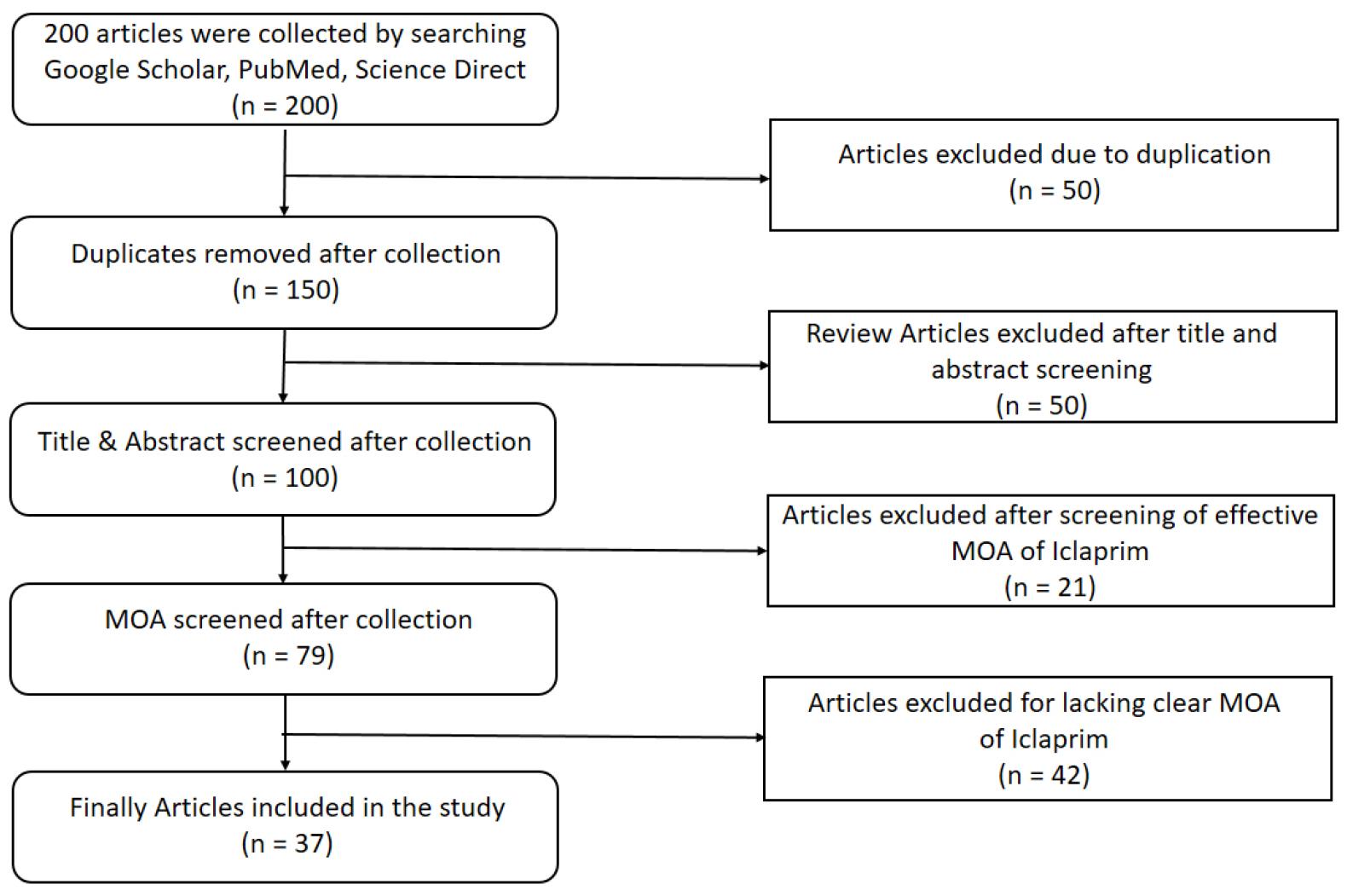
For this study, we enlisted 200 articles on iclaprim, which is used as antibiotic. Then we sorted those articles on Iclaprim, focusing on its MOA. The specific keywords were used to search for related articles from 1995 to 2023 in various databases, including Google Scholar, Science Direct and PubMed. Articles were searched using the keywords ‘Iclaprim’, ‘Antibiotics’, ‘Dihydrofolate reductase inhibitors (DHFR)’, ‘Nosocomial pneumonia’ and so on. We excluded 50 articles due to duplication, 50 for title and abstract screening, 21 for lack of effective MOA, and 42 for unclear MOA. Only the articles containing clear and effective MOA of iclaprim were considered to inclusion for this review study (Fig. 1). Finally, 37 articles were selected for this study.
CHEMISTRY AND STRUCTURAL CHARACTERISTICS
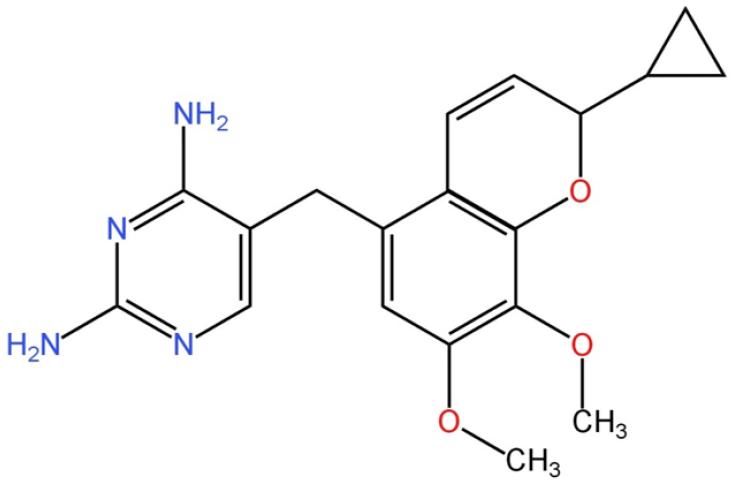
The compound is a racemate, consisting of two enantiomers. Both enantiomers were split by chiral chromatography, highlighting a similar activity against DHFR enzymes, as well as similar antimicrobial effects across a wide variety of bacteria. Iclaprim selectively suppresses bacterial DHFR at submicromolar levels with minimal or no inhibition of the human enzyme even at doses more than five orders of magnitude higher. In addition to iclaprim, tetramethylpiperidine effectively inhibits DHFR isolated from Gram-negative and Gram-positive microorganisms. Iclaprim is considerably more active than tetramethylpiperidine against DHFR isolated from the fungal pathogen Pneumocystis carinii and the Gram-positive bacterium S. pneumoniae(12, 13). The drug is a crystalline white powder with a melting point of 204°C. It has a molecular weight of 354.4078 g/mol. Its chemical name is 5-([2RS] 2-cyclopropyl-7,8-dimethoxy-2H-chromen-5-ylmethyl) pyrimidine- 2,4-diamine, and its molecular formula is C19H22N4O3 (Fig. 2). Iclaprims can be prepared using two methods. First, the reaction of cyclopropanecarbonyl chloride (I) with bis(trimethylsilyl)acetylene (II) and AlCl3 in dichloromethane yielded 1-cyclopropyl-3-(trimethylsilyl)-2-propyn-1-one (III), which is subsequently reduced with NaBH4 and CeCl3 in methanol to the associated propynol (IV). Condensation of alcohol (IV) with 3-hydroxy-4,5- dimethoxybenzaldehyde (V) via triphenylphosphine and diethyl azodicarboxylate in toluene yielded the desired propynyl ether (VI), which was cyclized in N,N-diethylaniline at 200°C to yield 2-cyclopropyl-7,8- dimethoxy-2H-1-benzopyran-5-carbaldehyde (VII). Aldehyde (VII) was condensed with 3-anilinopropionitrile (VIII) using potassium tert-butoxide in DMSO to afford acrylonitrile (IX), which was finally cyclized with guanidine (X) using potassium tert-butoxide in ethanol. Secondly, propynol (IV) condensed with 3-hydroxy-4,5-dimethoxybenzoic acid methyl ester (XI) utilizing triphenylphosphine and diethyl azodicarboxylate in toluene yields the desired propynyl ether (XII) and that is cyclized in N,N-diethylaniline at 200°C to provide 2-cyclopropyl- 7,8-dimethoxy-2H-1-benzopyran-5-carboxylic acid methyl ester (XIII). Finally, this compound was reduced with sodium dihydridobis(2-methoxyethoxy) aluminate and morpholine in toluene affording intermediate 2-cyclopropyl-7,8-dimethoxy- 2H-1-benzopyran-5-carbaldehyde (VII) (13).
MODE OF ACTION
Iclaprim disrupts folate synthesis by inhibiting DHFR, an enzyme required for thymidine production. This inhibition interferes with an essential step in bacterial DNA synthesis, blocking the conversion of dihydropteroic acid into tetrahydrofolic acid (13). Comparative analysis of DHFR amino acid sequences has shown that the similarity between mammalian and bacterial enzymes is approximately 30% (13). Iclaprim demonstrates potent activity against Gram-positive bacteria, including methicillin-resistant S. aureus and beta-hemolytic streptococci such as S. agalactiae, S. pyogenes and S. dysgalactiae both in vitro and in vivo (14). Iclaprim has wide ranging in vitro activity against a broad range of Gram-positive and limited range of Gram-negative bacteria, including numerous strains resistant to β-lactam–macrolides-, fluoroquinolones- trimethoprim- and glycopeptides (12, 13, 15, 16). Fig. 3 presents a clear, linear schematic of the bacterial folate biosynthesis pathway, which is essential for the production of tetrahydrofolate (THF), a critical cofactor in one-carbon metabolism for DNA, RNA and protein synthesis (17, 18, 19). Fig. 4 summarizes the complete mechanism of action of iclaprim from bacterial cell entry to bactericidal effect (6, 18, 19). Iclaprim is a 2, 4-diaminopyrimidine derivative that binds to the bacterial DHFR active site in a manner similar to trimethoprim. However, its extended lipophilic chromene ring and cyclopropyl group form additional hydrophobic interactions with residues in the DHFR binding pocket. These interactions result in considerably higher binding affinity and greater inhibitory potency compared to trimethoprim shown in Table 1.
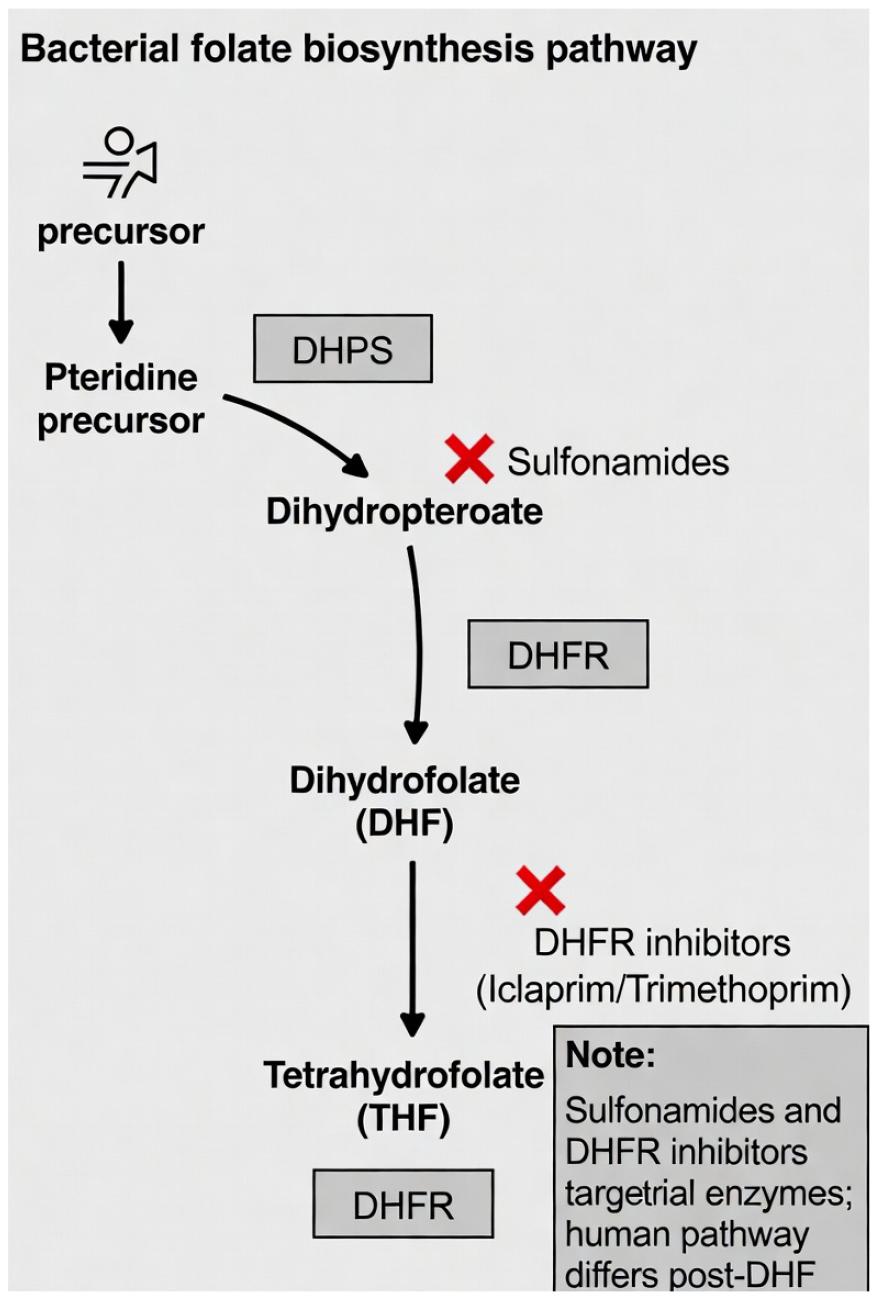
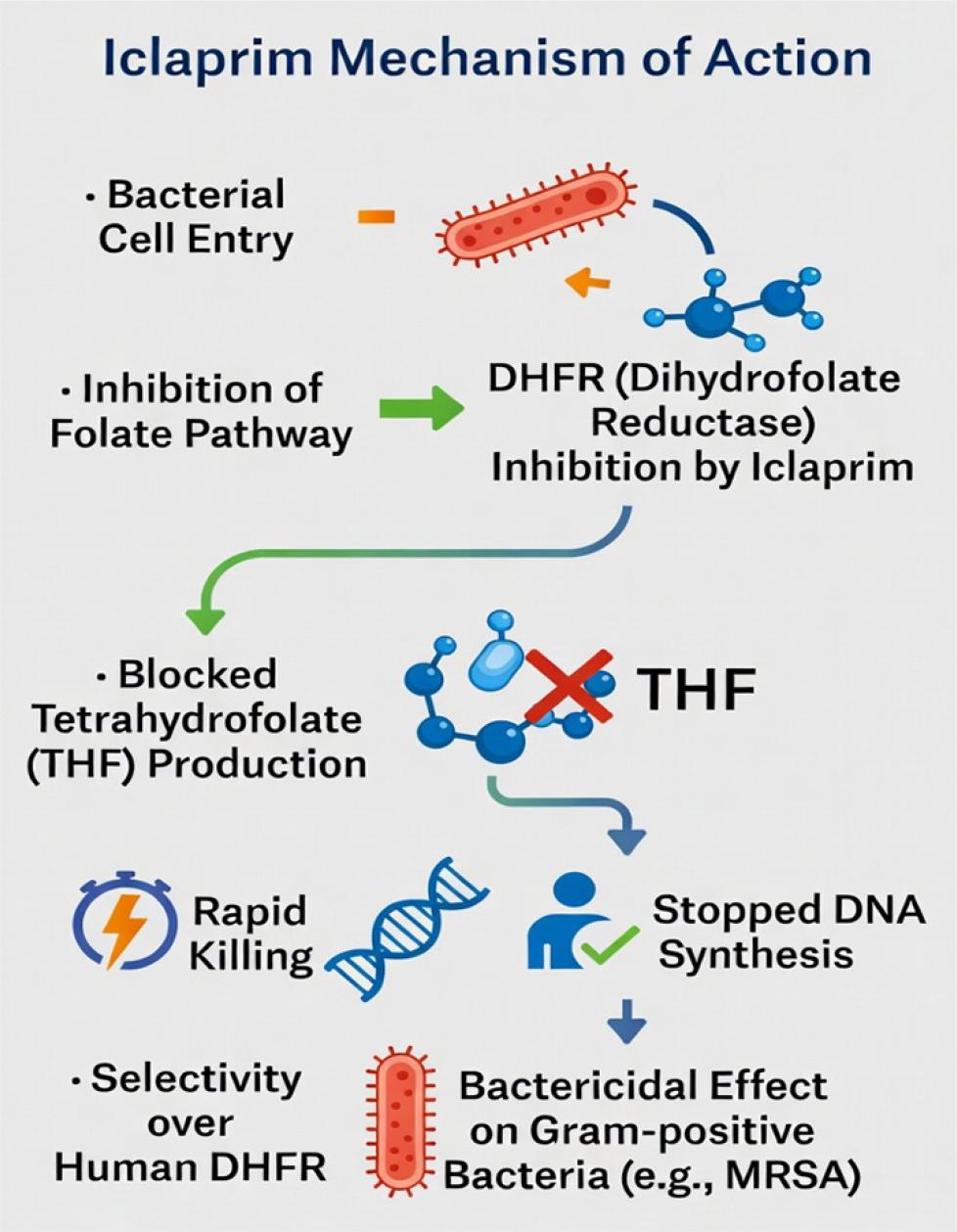
Table 1.
Comparison table of DHFR inhibitors with iclaprim
| Aspect | Iclaprim | Trimethoprim | Methotrexate | Pyrimethamine | Reference |
|---|---|---|---|---|---|
| Primary Target | Bacterial DHFR (strong focus on Gram-positive pathogens) | Bacterial DHFR | Human DHFR (and other eukaryotic DHFRs) | Parasitic DHFR (e.g., Plasmodium, Toxoplasma) | (6, 18) |
| Class and Structure | Non-classical (lipophilic) 2,4-diaminopyrimidine | Non-classical (lipophilic) 2,4-diaminopyrimidine | Classical antifolate (pteridine with glutamate tail) | Non-classical 2,4-diaminopyrimidine | (19) |
| Potency (bacterial DHFR / MICs) | High: Generally 8–32-fold more potent than trimethoprim vs. Gram-positives (e.g., MRSA MIC₉₀ often 0.06–0.12 µg/mL); rapidly bactericidal | Moderate potency; often bacteriostatic | Very high affinity but non-selective for bacterial use | Variable against bacteria; optimized for protozoal DHFR | (6, 17, 18) |
| Selectivity (Bacterial vs. Human DHFR) | Excellent: Inhibits bacterial DHFR at sub-micromolar concentrations with little or no inhibition of human DHFR at >5 orders of magnitude higher concentrations | Excellent for bacterial over human DHFR | Poor: Potent inhibitor of human DHFR (therapeutic target) | Moderate: Better for parasitic than human DHFR | (18, 20) |
| Activity vs. Resistant Strains | Retains better activity than trimethoprim against some trimethoprim -resistant strains (e.g., via increased hydrophobic interactions); still affected by certain plasmid-borne DHFRs | High resistance prevalence (plasmid DHFRs, chromosomal mutations e.g., F98Y) | N/A (not used as antibacterial) | Common resistance in malaria parasites | (6, 12, 18) |
| Bactericidal | Yes, rapid bactericidal activity | Primarily bacteriostatic | Cytotoxic to dividing mammalian cells | N/A (antiparasitic) | (10) |
| Spectrum |
Primarily Gram-positive (MRSA, streptococci, some enterococci); limited Gram-negative | Broad (Gram-positive and Gram-negative) | Not used as antibacterial | Primarily antimalarial and antitoxoplasma | (10) |
| Clinical Use | Investigational (Phase 3 completed for ABSSSI; not FDA-approved); developed as alternative for resistant Gram-positive infections | UTIs, respiratory/skin infections (usually as co-trimoxazole) | Cancer chemotherapy, autoimmune diseases | Malaria treatment/prophylaxis, toxoplasmosis | (17, 20) |
| Key Advantages | Improved binding affinity via extra hydrophobic interactions; no sulfonamide needed; suppresses toxin production; favorable safety in trials | Well-established, inexpensive, but widespread resistance and sulfa-related adverse effects | Requires leucovorin rescue in high-dose regimens due to toxicity | Risk of bone marrow suppression; used with folinic acid | (10, 18) |
PHARMACOKINETICS AND PHARMACODYNAMICS
Pharmacokinetic activity when co-administered with other antibiotics has been evaluated, particularly concerning its metabolism and potential for drug-drug interactions (20). Studies on drug-drug interactions showed that iclaprim levels increased by less than 2-fold when co-administered with the CYP3A4 inhibitor ketoconazole (21). Table 2 shows the major clinical trials (22, 23, 24, 25, 26). Iclaprim is metabolized by both phase 1 (CYP3A4 and CYP2C19) and phase 2 (CYP2C9 and CYP2D6) enzymes (27). Despite being a substrate of CYP3A4 (e.g., warfarin) and CYP2C19 (e.g., omeprazole), iclaprim has not shown inhibition or induction of these enzymes in vitro or in human studies, suggesting a low potential for significant drug interaction issue (20). Iclaprim exhibits a favorable pharmacokinetic profile with a low propensity for significant drug-drug interactions, particularly concerning CYP450 enzymes and renal potassium regulation, making it a potentially safer option when used alongside other medications compared to some other antibiotics in its class. Unlike trimethoprim-sulfamethoxazole, iclaprim does not affect the renal excretion of potassium or serum potassium concentrations (20, 28).
Table 2.
Major clinical trials
| No. | Trial/Phase | Indication | Design and Comparator | Key Results | Reference |
|---|---|---|---|---|---|
| 1 | REVIVE-1 | Acute Bacterial Skin and Skin Structure Infections (ABSSSI) | Phase 3, Double-blind, Iclaprim 80 mg IV/12h vs Vancomycin | ECR: 80.9% vs 81.0% (met non-inferiority) | (22) |
| 2 | REVIVE-2 | ABSSSI | Phase 3, Double-blind, same design as REVIVE-1 | ECR: 78.3% vs 76.7% (met non-inferiority) | (23) |
| 3 | Pooled Analysis (REVIVE-1 + REVIVE-2) | ABSSSI | Combined analysis of both Phase 3 trials | Pooled ECR: 79.6% vs 78.8%; better renal safety with iclaprim | (24) |
| 4 | Phase 2 Nosocomial Pneumonia Study | Hospital-Acquired Bacterial Pneumonia (HABP) | Phase 2, Randomized, Iclaprim (two doses) vs Vancomycin | Clinical cure rates comparable to vancomycin | (25) |
| 5 | Phase 2 cSSSI Study | Complicated Skin and Skin Structure Infections | Phase 2, Randomized, Iclaprim vs Vancomycin | Positive efficacy and safety signals | (26) |
Pharmacodynamic activity, particularly its AUC/MIC and %T>MIC, aligns with patterns observed for other antimicrobials, especially trimethoprim, despite the unique challenges posed by thymidine levels in animal models. The higher MICs observed in serum compared to broth highlight the impact of protein binding and species-specific thymidine concentrations on its in vitro activity (29).
DIFFERENTIATION OF ICLAPRIM FROM OTHER ANTIBIOTICS
Iclaprim is a diaminopyrimidine antibiotic that selectively inhibits bacterial DHFRs. It binds with higher affinity than trimethoprim due to increased hydrophobic interactions and exhibits rapidly bactericidal activity (18, 20). Iclaprim demonstrates potent activity primarily against Gram-positive pathogens, including methicillin-resistant Staphylococcus aureus (MRSA), methicillin-susceptible S. aureus (MSSA), and streptococci, with more limited Gram-negative coverage. Its targeted spectrum makes it particularly suitable for resistant Gram-positive infections, in contrast to broader-spectrum antibiotics such as fluoroquinolones or carbapenems (14, 20). Regarding resistance, iclaprim overcomes several trimethoprim resistance mechanisms through stronger target affinity and shows a low spontaneous mutation frequency. It also lacks cross-resistance with other major antibiotic classes (18). On safety, iclaprim was generally well tolerated, with mostly mild adverse events such as nausea and headache. It showed a favorable renal safety profile without significant nephrotoxicity and no need for renal dose adjustment offering advantages over vancomycin and trimethoprim-sulfamethoxazole (which carries sulfa-related risks) (30). Table 3 represents the differences among iclaprim and other antibiotics along with safety profile (31, 32).
Table 3.
Differences among iclaprim and other antibiotics
| Parameter | Iclaprim Features | Main Differences from Others | Reference |
|---|---|---|---|
| Mechanism | Selective bacterial DHFR inhibitor (diaminopyrimidine). Rapidly bactericidal. | Unlike cell wall or protein synthesis inhibitors. More potent than trimethoprim. | (18, 20) |
| Antimicrobial Spectrum | Potent vs Gram-positives (MRSA, MSSA, streptococci). Limited Gram-negatives. | Targeted anti-MRSA activity; narrower but strong vs resistant Gram-positives. | (12, 20) |
| Resistance Properties | Overcomes some trimethoprim resistance; low mutation frequency; no cross-resistance with other classes. | Lower resistance potential than trimethoprim alone. | (18, 31) |
| Clinical Evidence | Phase 3 REVIVE-1/2: Non-inferior to vancomycin for ABSSSI (ECR ~79.6% vs 78.8%). Rapid kill. | Met non-inferiority vs vancomycin in skin infections. | (22, 23, 32) |
| Safety Profile | mild nausea, headache. No notable nephrotoxicity. | Better renal safety than vancomycin; avoids sulfa toxicities of trimethoprim /sulfamethoxazole. | (6, 29) |
SAFETY AND TOLERABILITY
Iclaprim demonstrates a comparable and, in some aspects, more favorable safety profile than vancomycin for treating ABSSSIs in intravenous drug users (22, 23, 24, 33, 34). While certain adverse events like nausea and fatigue were slightly more frequent with iclaprim, the overall rates of discontinuation and serious adverse events were lower. Furthermore, iclaprim offers an advantage over trimethoprim by not requiring co-administration with sulfonamides, thus avoiding associated toxicities (31). Trimethoprim-sulfamethoxazole combinations are associated with sulfonamide-related toxicities, including hypersensitivity reactions, hyperkalemia, and hematologic effects. By eliminating the need for a sulfonamide partner, iclaprim avoids these class-related risks (17). The activity of iclaprim, unlike that of S. aureus was not affected by the methicillin-resistant phenotype. When administered alone, without combination with a sulfonamide, it exhibits bactericidal activity against Gram-positive bacteria but carries some potential for the development of resistance. This liability has contributed to the unfavorable safety profile of trimethoprim or sulfamethoxazole which includes adverse effects such as blood dyscrasias, hypersensitivity reactions, and others. Discontinuation rates due to adverse events were low (approximately 2.7–3.7% for iclaprim vs 4.4–5.5% for vancomycin) (7). In contrast, drugs such as daptomycin have safety concerns related to muscle pain, myopathy, and rhabdomyolysis, whereas linezolid is associated with myelosuppression and peripheral neuropathy (35, 36). Similarly, other agents such as ceftobiprole and ceftaroline are also being evaluated for their efficacy in the treatment of cSSTI and additional clinical indications (22, 37).
CONCLUSIONS
Substantial efforts are still needed to tackle the growing crisis of antibiotic resistance. Iclaprim, a novel diaminopyrimidine that selectively inhibits bacterial dihydrofolate reductase (DHFR), has shown strong bactericidal activity against a broad range of Gram-positive bacteria, including MRSA, as well as some important respiratory pathogens. Researchers have evaluated iclaprim as a standalone treatment for both hospital-acquired bacterial pneumonia and acute bacterial skin and skin structure infections (ABSSSI). In a Phase 2 study for nosocomial pneumonia, it demonstrated efficacy comparable to vancomycin against Gram-positive pathogens. Phase 3 trials in ABSSSI also produced promising results, suggesting it could be a valuable treatment option in these settings. The development of innovative discovery platforms is essential for identifying new synthetic molecules with enhanced antimicrobial properties, particularly against Gram-negative bacteria, to address the challenges of lung penetration and antibiotic dosing. Innovative antibiotics like iclaprim illustrate the real potential of new synthetic agents against resistant Gram-positive infections. Several challenges such as improving lung penetration, ensuring better safety (particularly for the liver) and preventing resistance will need to be addressed before such drugs can successfully reach the market and fulfill their therapeutic promise. Careful antimicrobial stewardship will be essential if these agents are to be used effectively in the future. Therefore, to prevent major resistance, it is important that such agents are administered appropriately and within a defined therapeutic window.